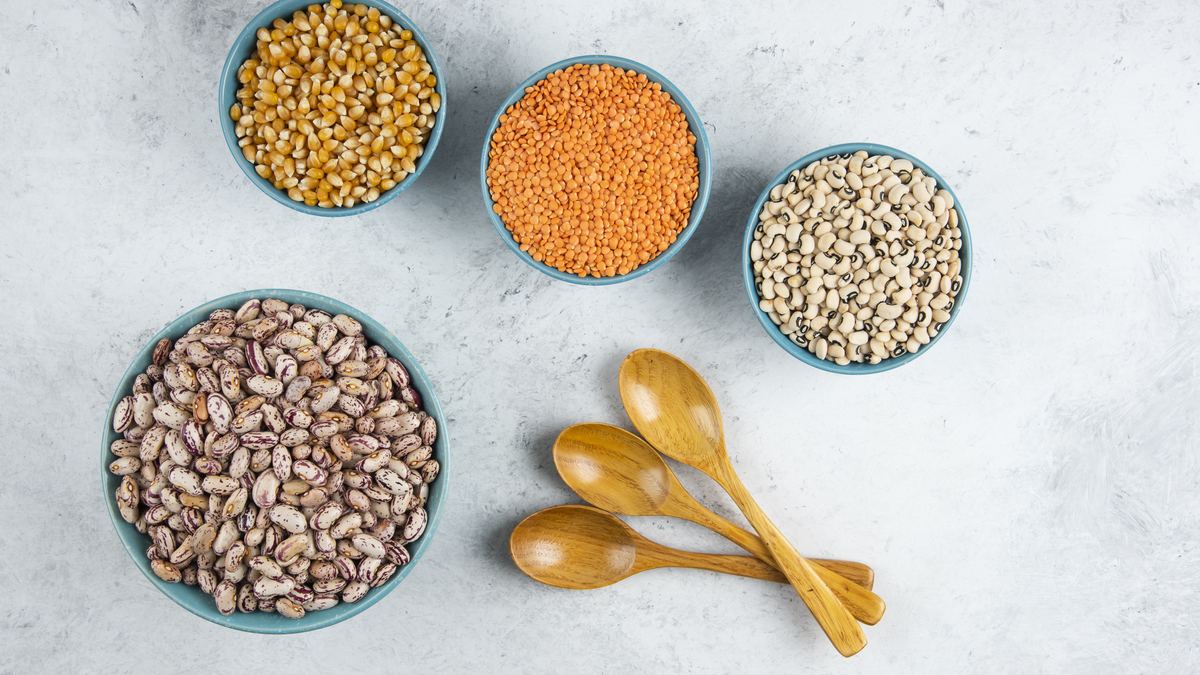
Fiber does not speed up your metabolism, but it changes how your body handles food. It slows digestion, flattens the rise in blood sugar after meals, increases fullness and feeds gut bacteria. People who eat the most fiber have lower body weight and a 15 to 30 percent lower risk of heart disease, type 2 diabetes and early death.
Key takeaways
- Fiber is the part of plant foods your small intestine cannot digest.
- The largest review of the evidence found the greatest benefits at 25 to 29 g a day.
- U.S. guidelines recommend about 14 g per 1,000 kcal: roughly 25 g a day for women and 38 g for men under 50.
- More than 90 percent of women and 97 percent of men in the United States eat less than the recommended amount.
What fiber does in the body
Slows digestion and steadies blood sugar
Soluble fiber, found in oats, beans, apples and barley, forms a gel in the gut. Sugar is absorbed more slowly, so blood glucose and insulin rise less after a meal. This matters for insulin resistance.
Increases fullness
High-fiber foods take longer to chew, add bulk and empty from the stomach more slowly. People tend to eat fewer calories without trying.
Feeds gut bacteria
Bacteria in the colon ferment some fibers into short-chain fatty acids. These compounds supply energy to the cells lining the colon and act as signals that affect appetite and blood sugar regulation. Research on how much this matters in humans is ongoing.
Lowers cholesterol
Soluble fiber binds bile acids, which lowers LDL cholesterol.
Reduces absorbed calories slightly
Fiber itself provides about 2 kcal per gram at most, and high-fiber diets slightly increase the energy lost in stool.
What the evidence shows
A series of systematic reviews and meta-analyses in The Lancet, commissioned by the World Health Organization, combined 185 observational studies and 58 clinical trials. Compared with people who ate the least fiber, those who ate the most had a 15 to 30 percent lower risk of death from any cause and from cardiovascular disease, and a lower incidence of coronary heart disease, stroke, type 2 diabetes and colorectal cancer. Clinical trials showed lower body weight, blood pressure and total cholesterol with higher fiber intake. The benefits were greatest at 25 to 29 g a day, and the data suggested more might be better.
How much fiber is in common foods
| Food | Serving | Fiber (approx.) |
|---|---|---|
| Lentils, cooked | 1 cup | 15 g |
| Black beans, cooked | 1 cup | 15 g |
| Chia seeds | 2 tablespoons | 10 g |
| Raspberries | 1 cup | 8 g |
| Whole-wheat pasta, cooked | 1 cup | 6 g |
| Pear, with skin | 1 medium | 5–6 g |
| Avocado | Half | 5 g |
| Oats, dry | ½ cup | 4 g |
| Broccoli, cooked | 1 cup | 5 g |
| Almonds | 1 oz (28 g) | 3.5 g |
Values vary by variety and brand. Check labels where available.
A day with about 30 g of fiber
- Breakfast: oats with raspberries and a tablespoon of chia seeds (about 13 g).
- Lunch: salad with half a cup of chickpeas and whole-grain bread (about 9 g).
- Snack: a pear (about 5 g).
- Dinner: fish with broccoli and brown rice (about 7 g).
How to increase fiber without discomfort
- Add about 5 g a day each week. A sudden jump causes gas and bloating.
- Drink enough water. Fiber needs fluid to work.
- Get fiber from a mix of foods: legumes, whole grains, vegetables, fruit, nuts and seeds.
- Swap before you add: whole-grain bread for white, beans for some of the meat, fruit for juice.
What about fiber supplements?
Psyllium and similar supplements can help with constipation and modestly lower LDL cholesterol. They do not supply the vitamins, minerals and other compounds found in whole foods. Most of the evidence above comes from fiber in food.
Who should be careful
People with inflammatory bowel disease, bowel narrowing, gastroparesis or irritable bowel syndrome may need a tailored approach. Ask your doctor or a dietitian.
Frequently asked questions
Does fiber cancel out carbs?
No. Fiber slows the absorption of other carbohydrate in the meal. It does not remove it.
Is soluble or insoluble fiber better?
Both matter. Soluble fiber has more effect on blood sugar and cholesterol. Insoluble fiber adds bulk and helps regularity. Most plant foods contain both.
Can you eat too much fiber?
Very high intakes can cause bloating and may reduce the absorption of some minerals. For most people, the problem is too little.
Sources
- Reynolds A, et al. Carbohydrate quality and human health: a series of systematic reviews and meta-analyses. Lancet. 2019.
- U.S. Department of Agriculture and U.S. Department of Health and Human Services. Dietary Guidelines for Americans, 2020–2025.
- MedlinePlus. Dietary Fiber.
Featured photo: azerbaijan_stockers / Freepik