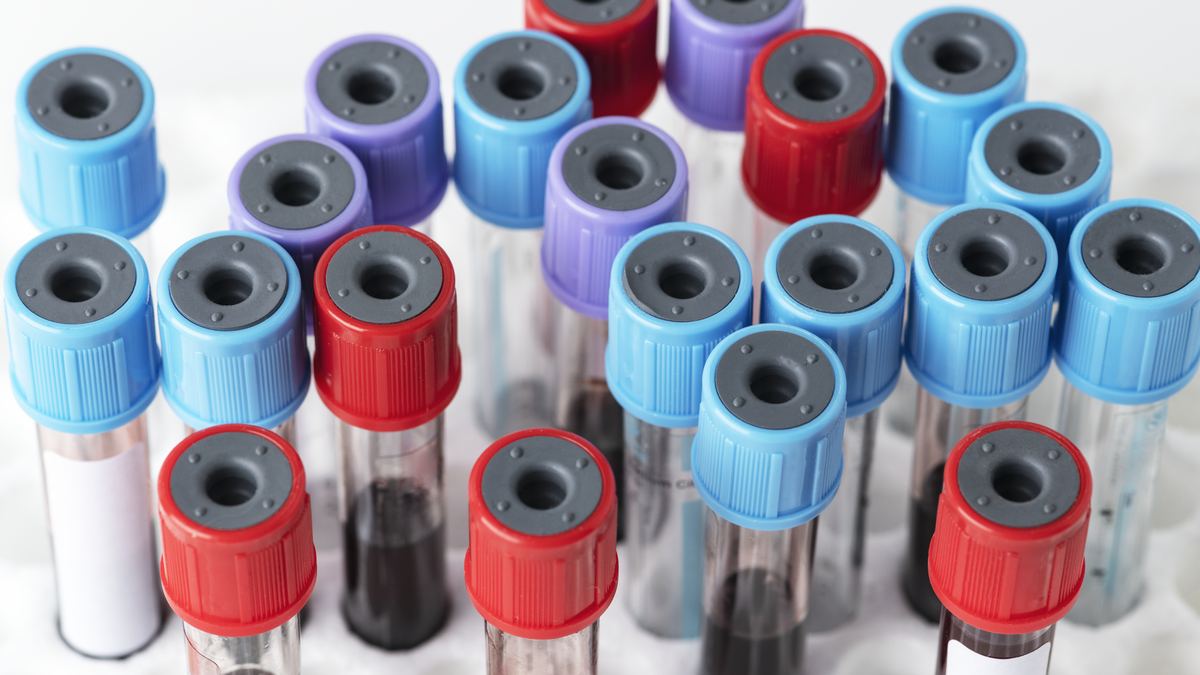
Cholesterol and triglycerides are fats carried in your blood. You need both, but high levels of LDL cholesterol and triglycerides raise the risk of heart attack and stroke. A standard blood test called a lipid panel measures them. Diet, weight, activity and alcohol strongly affect triglycerides, while LDL depends more on genes and the type of fat you eat.
Key takeaways
- LDL cholesterol is the main target for lowering heart disease risk.
- Triglycerides under 150 mg/dL are considered normal.
- Sugary drinks, refined carbohydrates, excess alcohol and extra weight raise triglycerides.
- Replacing saturated fat with unsaturated fat and eating more soluble fiber lowers LDL.
What do cholesterol and triglyceride numbers mean?
A lipid panel reports four main numbers, and each has a desirable range.
| Measure | What it is | Desirable level (adults) |
|---|---|---|
| LDL cholesterol | Carries cholesterol into artery walls | Below 100 mg/dL; targets depend on your risk |
| HDL cholesterol | Carries cholesterol away from arteries | 40 mg/dL or higher (men), 50 or higher (women) |
| Triglycerides | Main form of fat in the blood | Below 150 mg/dL |
| Total cholesterol | All cholesterol combined | Below 200 mg/dL |
| Non-HDL cholesterol | Total minus HDL | Below 130 mg/dL |
Triglycerides of 150–199 mg/dL are borderline high, 200–499 high, and 500 or more very high, which also raises the risk of pancreatitis. Your doctor interprets results together with your overall risk.
How cholesterol causes heart disease
LDL particles can enter the walls of arteries, where cholesterol builds up into plaque. Over decades, plaque narrows arteries and can rupture, triggering a clot. The more LDL and the longer you have it, the greater the risk. The 2026 U.S. dyslipidemia guideline from the American College of Cardiology, the American Heart Association and partner groups, which replaced the 2018 guideline, keeps lowering LDL as the main way to reduce this risk.
Triglycerides and metabolism
After a meal, fat travels in the blood as triglycerides. The liver also makes triglycerides, especially from excess sugar, refined carbohydrate and alcohol. High triglycerides often come with low HDL, a large waist and high blood sugar. This combination is a hallmark of insulin resistance and metabolic syndrome.
What raises triglycerides
- Excess calories and weight gain, particularly abdominal fat
- Sugary drinks and refined carbohydrates. See sugar and metabolism
- Alcohol. See alcohol and metabolism
- Uncontrolled diabetes, an underactive thyroid and kidney disease
- Some medicines, such as certain steroids and HIV drugs
- Genetic conditions
How to improve your numbers
To lower triglycerides
- Cut sugary drinks and sweets.
- Limit alcohol, or avoid it if your triglycerides are very high.
- Lose 5 to 10 percent of body weight if you have excess weight.
- Be active for at least 150 minutes a week.
- Eat fatty fish such as salmon or sardines twice a week.
To lower LDL
- Replace saturated fat (fatty meat, butter, cream, coconut and palm oil) with unsaturated fat (olive and canola oil, nuts, seeds, avocado, fish).
- Eat more soluble fiber: oats, barley, beans, lentils, apples. See fiber and metabolism.
- Avoid trans fats.
- Keep a healthy weight and stay active.
To raise HDL
Regular exercise, weight loss and not smoking raise HDL modestly. Drugs that raise HDL have not reduced heart disease in trials, so HDL is a marker rather than a target.
When medication is needed
Lifestyle changes help everyone, but some people also need medicine, most often a statin. Statins are generally recommended for people with existing heart disease or stroke, people with an LDL of 190 mg/dL or higher, many adults with diabetes, and others based on their estimated risk. The 2026 guideline also brought back LDL goals, such as below 70 mg/dL for many people at high risk, and recommends testing lipoprotein(a), an inherited risk factor, at least once in adulthood. The decision is made with your doctor.
How often to test
The NHLBI advises screening every 5 years for younger adults, every 1 to 2 years for men aged 45 to 65 and women aged 55 to 65, and every year after 65. People with risk factors such as diabetes, high blood pressure or a family history of early heart disease may need tests more often. Many labs no longer require fasting for a routine lipid panel.
Frequently asked questions
Does eating eggs raise cholesterol?
For most people, dietary cholesterol has a smaller effect on blood LDL than saturated fat. Some people are more sensitive.
Can thin people have high cholesterol?
Yes. LDL is strongly influenced by genes. Familial hypercholesterolemia causes very high LDL from birth at any weight.
Can I lower cholesterol with supplements?
Some, such as plant sterols and psyllium, lower LDL modestly. They do not replace prescribed medicine.
Sources
- NHLBI. Blood Cholesterol.
- American College of Cardiology. ACC/AHA Issue Updated Guideline for Managing Lipids, Cholesterol. March 2026.
- NHLBI. Blood Cholesterol: Diagnosis.
- MedlinePlus. Triglycerides Test.
- NHLBI. What Is Metabolic Syndrome?
Featured photo: rawpixel.com / Freepik