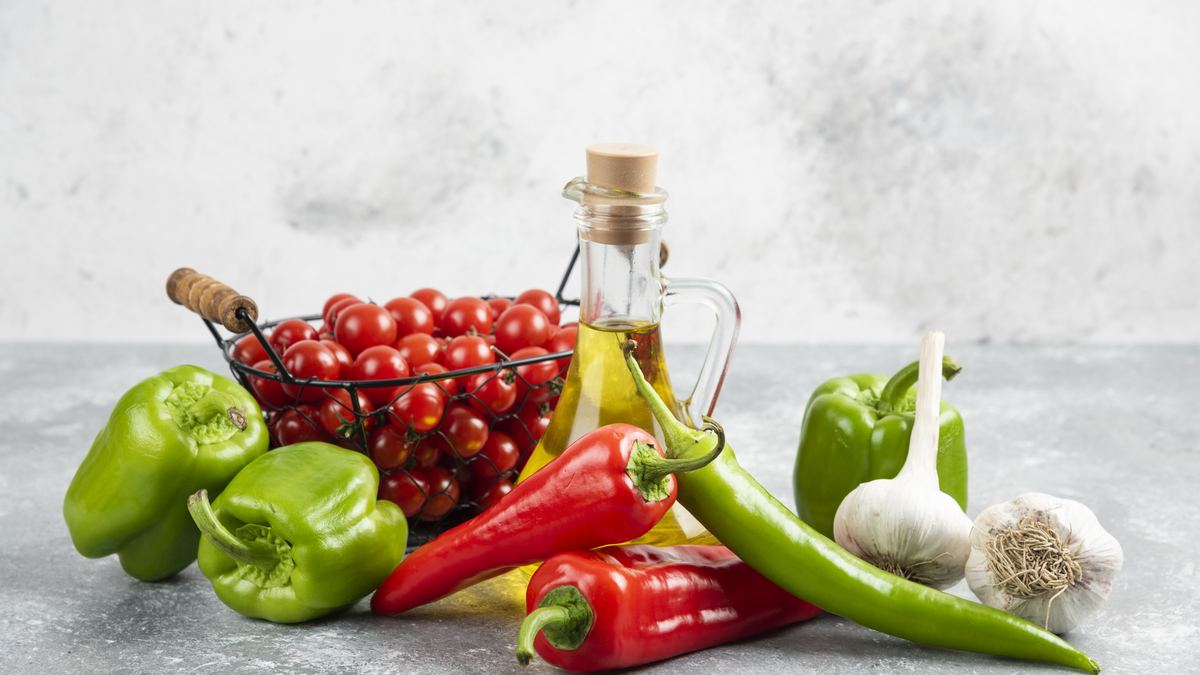
Spicy food does boost metabolism, but only a little. Capsaicin, the compound that makes chili peppers hot, raises energy expenditure by roughly 50 kcal a day in studies and may slightly reduce appetite. The effect is small, fades in people who eat spicy food often, and needs doses many people find uncomfortable.
Key takeaways
- Capsaicin activates a heat-sensing receptor, which triggers a mild stress response and extra heat production.
- A systematic review estimated an increase in energy expenditure of about 50 kcal a day.
- Effects on body weight in trials are small.
- Chili can trigger heartburn and gut symptoms in people with reflux or IBS.
How capsaicin works
Capsaicin binds to a receptor called TRPV1 on nerve endings in the mouth and gut. This is the same receptor that senses heat, which is why chili feels hot. The signal activates the sympathetic nervous system, which releases adrenaline and noradrenaline. Heart rate and heat production rise slightly, and the body burns a little more fat.
Capsaicin may also stimulate brown fat, the tissue that burns energy to make heat. Sweet peppers contain a related, non-pungent compound called capsiate, which has similar but weaker effects.
How many calories does capsaicin burn?
About 50 kcal a day, according to a systematic review.
Energy expenditure
A critical review and meta-analysis of human studies concluded that capsaicin increases energy expenditure and fat oxidation, particularly at high doses, and that capsiate has a smaller effect. A separate systematic review of 20 trials estimated that regular consumption of capsaicinoids raised energy expenditure by about 50 kcal a day.
Appetite
Several trials report slightly lower calorie intake at a meal when capsaicin is added, especially in people who do not usually eat spicy food. The reduction is modest and inconsistent.
Body weight
The same review found that regular intake reduced appetite and abdominal fat in trials, but its authors noted that capsaicinoids are “not a magic bullet for weight loss.” Weight responds slowly to a small, steady change: in the model behind our calorie deficit guide, half of any eventual change takes about a year. So 50 kcal a day would move the scale only slowly, and people usually compensate by eating a little more.
How much was used in studies
| Source | Approximate capsaicin |
|---|---|
| Doses in many trials | 2–10 mg per meal or day, sometimes more |
Capsaicin content in fresh peppers varies widely with the variety, ripeness and growing conditions, so it is hard to match a study dose with food.
Does the effect wear off?
With regular exposure, TRPV1 receptors become less sensitive. That is why people build a tolerance for heat. The same desensitization appears to reduce the effect on appetite and may reduce the metabolic effect in habitual users.
Other spices
- Black pepper (piperine) and ginger have been studied for thermogenic effects. Human evidence is limited and results are small or inconsistent.
- Cinnamon has been studied mostly for blood sugar. The National Center for Complementary and Integrative Health reports that evidence is not sufficient to support it for diabetes.
- Turmeric (curcumin) has no convincing effect on metabolic rate.
Is spicy food safe?
For most people, yes. Be cautious if you have:
- acid reflux or heartburn;
- irritable bowel syndrome;
- a stomach ulcer or gastritis that spicy food aggravates;
- hemorrhoids or anal fissures.
Concentrated capsaicin supplements can irritate the stomach. The NIH Office of Dietary Supplements notes that capsaicin and other capsaicinoids appear safe at the doses studied but can cause stomach pain, burning sensations and nausea.
How to use it
- If you like heat, add fresh chili, chili flakes or hot sauce to meals.
- Use spice to make vegetables, legumes and lean protein more appealing. That helps more than the thermogenic effect.
- Check labels on hot sauces for sodium and sugar.
- Do not force yourself to eat food hotter than you enjoy.
Bottom line
Spicy food gives a small, real lift to energy expenditure. It is a pleasant addition to a diet and not a strategy for losing weight. For where it fits among other foods, see our guide to thermogenic foods.
Frequently asked questions
Does sweating from spicy food burn calories?
Sweating is a cooling response. It does not itself burn a meaningful number of calories.
Are capsaicin pills better than food?
They deliver a known dose without the burn in the mouth, and they are more likely to upset the stomach. Results in trials are small either way.
Does hot sauce count?
Yes, though the capsaicin content of most sauces is low per serving.
Sources
- Ludy MJ, et al. The effects of capsaicin and capsiate on energy balance: critical review and meta-analyses of studies in humans. Chem Senses. 2012.
- Whiting S, et al. Capsaicinoids and capsinoids. A potential role for weight management? A systematic review of the evidence. Appetite. 2012.
- NIH Office of Dietary Supplements. Dietary Supplements for Weight Loss.
- NCCIH. Diabetes and Dietary Supplements.
Featured photo: azerbaijan_stockers / Freepik